
A relationship can become mostly practical
You may be effective at getting through the week. Work gets done. Children get where they need to go. Bills are handled. Yet conversations are mostly about logistics, and attempts at closeness feel awkward, mistimed, or easily interrupted.
This distance can be lonely for both partners, even when it looks different from each side. One may reach more insistently while the other retreats under pressure. One may stop asking because rejection feels too painful. Neither response means the relationship no longer matters.
How distance becomes a cycle
Emotional disconnection often reinforces itself. The less safe it feels to reach, the less often partners try. The less they try, the easier it becomes to assume the other person does not care. Resentment and resignation can take the place of curiosity.
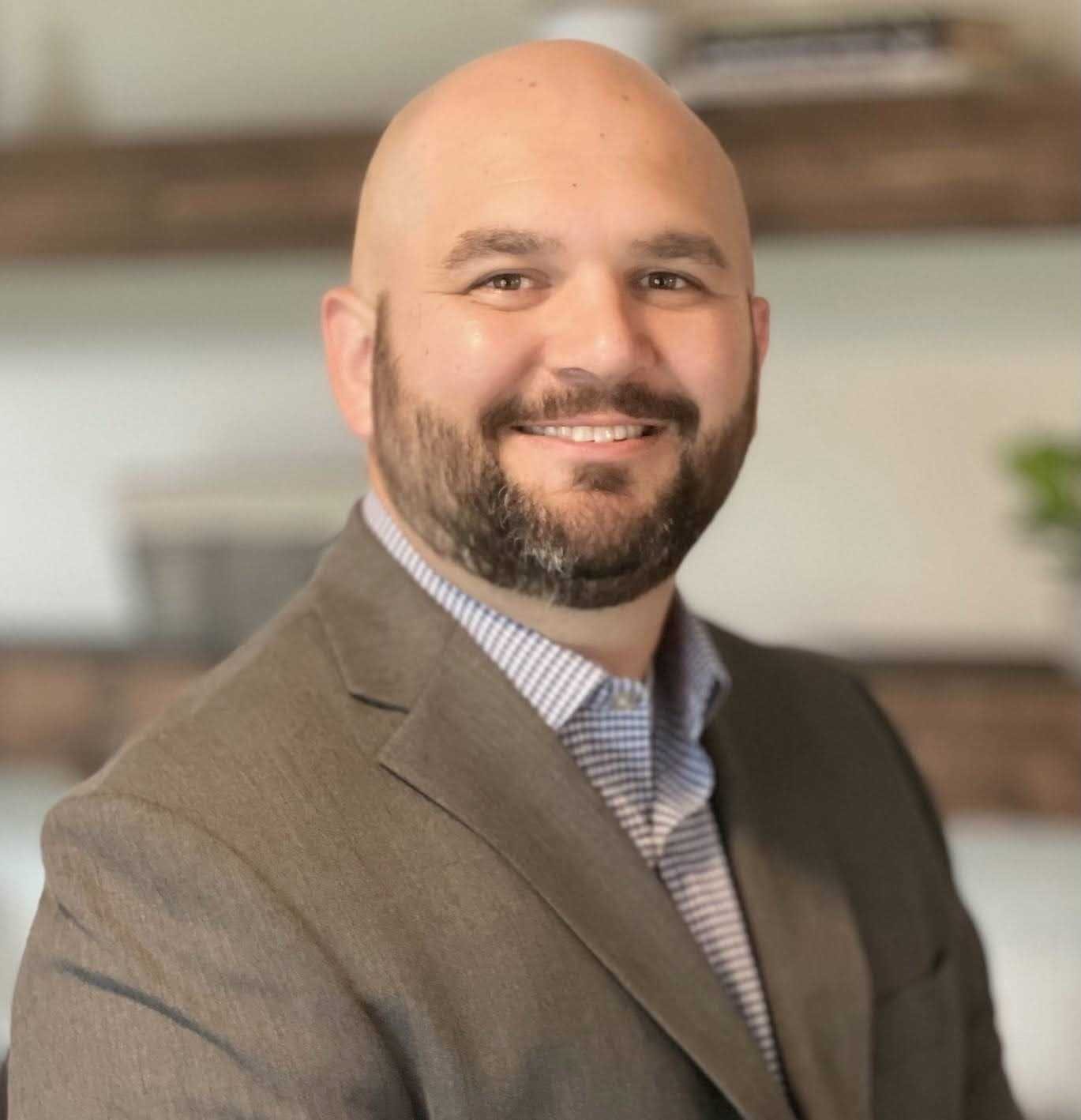
John helps you name this pattern without assigning blame. An attachment-based, EFT-informed approach pays attention to the longing for closeness and security beneath protective reactions. Narrative therapy can also help loosen the story that you are simply incompatible or destined to stay distant.
Turning toward each other again
Reconnection is not created by forcing romance or performing closeness on command. It begins with making important emotional moments safer and more understandable. In session, John helps partners practice saying what they need in a way the other person can more easily hear.
Practical tools between sessions give you ways to notice the cycle earlier and create small moments of contact. The goal is a relationship that feels more responsive and team-oriented, while respecting that meaningful change takes participation from both partners.
You do not need a dramatic crisis to begin
Couples counseling is not only for relationships at the edge of ending. The ache of living like roommates is reason enough to pause and pay attention. A free 30-minute consultation lets both of you meet John without pressure.
Sessions are available by telehealth across Texas. Sessions are 50 minutes and $175.
What a session actually looks like
You come together for 50 minutes. Because distance rarely announces itself through one dramatic event, John often starts by asking about ordinary moments: the drive home, the evening after the kids are down, the conversation that almost happened and then did not.
From there, the work gets specific. A partner who has stopped reaching out might notice out loud how many times they considered it. A partner who felt pushed away might hear, maybe for the first time, that the withdrawal was protection rather than indifference. John slows those exchanges down so they can actually land.
You will usually leave with one small, doable practice—an attempt at contact, a way to respond when the other reaches, a moment in the week you both agree to protect. Small and repeatable matters more here than grand gestures, because distance was built the same way.
Reconnection is not performance
Couples sometimes assume closeness means scheduling more date nights. That can help, but a calendar entry does not create safety. What changes distance is the experience of reaching for your partner and finding them responsive.
John's approach focuses on those moments of contact: how they are offered, how they are received, and what interrupts them. As those exchanges get more reliable, warmth usually has somewhere to return to.
This work does not require either of you to fake feelings you do not have. It asks for honesty about the distance and willingness to try something different inside it.
Common Questions
Is it worth coming in if nothing dramatic happened?
Yes. Quiet distance is a common and legitimate reason couples begin counseling. You do not need a crisis to justify paying attention to the relationship.
What if one of us feels fine and the other does not?
That difference is useful information rather than a disqualification. Sessions make room for both experiences without treating either partner as the problem.
Can telehealth work for this?
It can, as long as both partners are located in Texas during the session and can join somewhere private enough to speak freely.
Take the Next Step
If any of this sounds like your relationship, the next step is a free 30-minute consultation. Both of you can meet John, ask what you want to ask, and decide together whether to schedule a first session. You can also call or text 817-381-0691.