
What this work is and is not
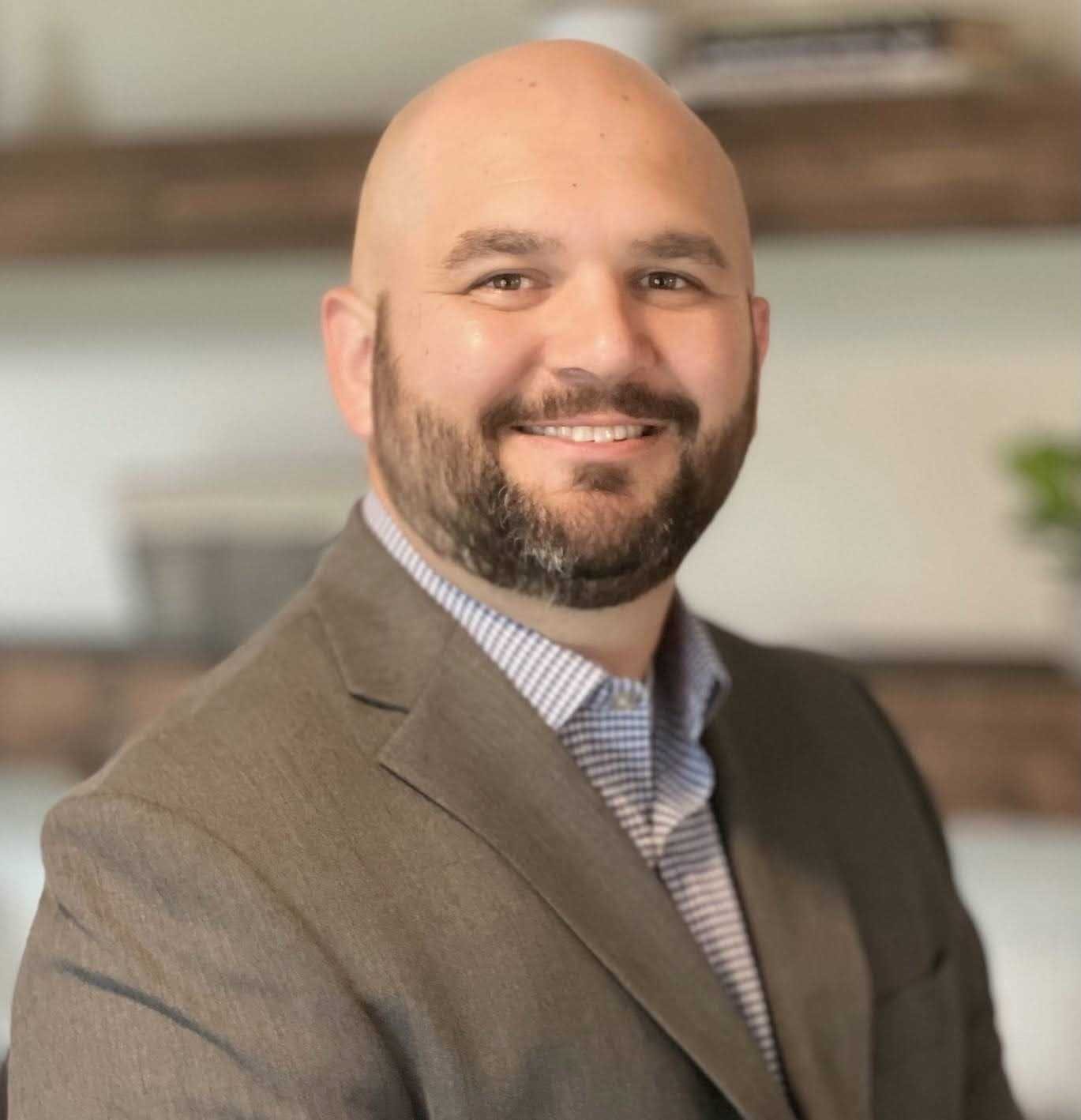
John is a couples counselor. He does not treat PTSD and does not diagnose it. A partner who wants treatment for PTSD itself should work with an individual trauma therapist, and John is glad to work alongside that care.
Couples counseling focuses on what happens between the two of you: how symptoms affect closeness, conflict, and trust, and how you can respond to each other with more understanding.
Hypervigilance at home
A partner who is always on alert may need certain routines, seating, or quiet. The other partner may begin organizing family life around avoiding triggers, often without discussing it. Over time, both can feel tense and alone.
John helps couples talk about these adjustments openly so they become shared decisions rather than silent burdens.
Some couples stop going to crowded places, change holiday plans, or avoid certain topics without ever deciding to. Naming those changes together lets you choose which ones still make sense.
Numbness and withdrawal
Emotional numbness can look like indifference. A partner may pull away, go quiet, or seem far away even when present. The other partner may feel rejected and push harder, which can lead to more withdrawal.
In session, John helps each partner describe what is happening inside, so the withdrawal is understood rather than taken personally.
The partner experiencing numbness may feel frustrated with themselves, or unsure how to explain it. Hearing that their partner still wants to be close, even when they cannot feel it in the moment, can matter a great deal.
Keeping the relationship from being defined by symptoms
It is easy for a couple to start organizing everything around one partner's symptoms. The partner with symptoms may feel like the problem; the other may feel like a caretaker instead of a spouse.
Couples work helps restore a sense of partnership. No counselor can guarantee an outcome.
What a session actually looks like
Sessions are 50 minutes together by telehealth, both located in Texas. John does not ask either partner to recount traumatic events. He may start with a recent moment at home, such as an evening that became tense after an unexpected noise, or a night when one partner felt shut out.
He slows that moment down and helps each of you say what you felt and needed. John keeps the pace steady and pauses if either partner becomes overwhelmed. You will usually leave with a small shared plan for similar moments.
Starting alongside other support
The free 30-minute consultation lets both partners meet John and talk about how couples work might fit with any individual care already in place.
Sessions are $175 for 50 minutes, private pay.
Common Questions
Does John treat PTSD?
No. John is a couples counselor and does not treat or diagnose PTSD. A partner who wants treatment for the trauma itself should work with an individual trauma therapist, and couples work can happen alongside it.
Will we have to talk about what happened?
No. Sessions focus on the relationship today, not on retelling traumatic experiences.
How long are sessions and what do they cost?
Sessions are 50 minutes and $175. The first 30-minute consultation is free. John works on a private-pay basis and does not bill insurance directly, though some couples have out-of-network benefits worth asking their plan about.
Take the Next Step
If any of this sounds like your relationship, the next step is a free 30-minute consultation. Both of you can meet John, ask what you want to ask, and decide together whether to schedule a first session. You can also call or text 817-381-0691.