
What forgiveness is not
Forgiveness does not require pretending the hurt was small, forgetting what happened, restoring trust immediately, or giving up boundaries. It is not a shortcut around accountability.
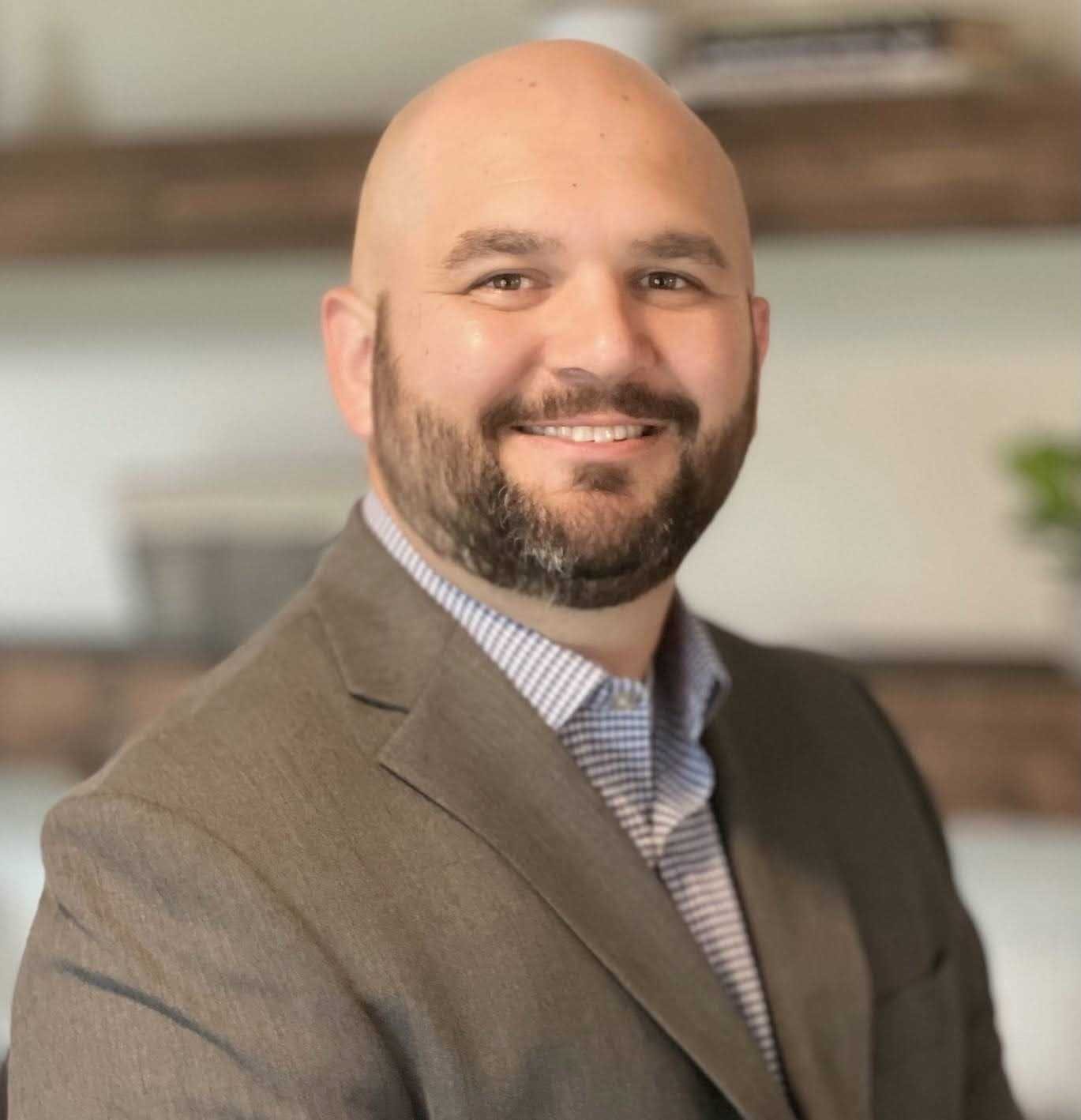
John will not ask the hurt partner to declare the matter closed so the relationship can move on. A statement of forgiveness without enough safety underneath it can create more distance.
Why pressure backfires
The partner who caused hurt may feel desperate for reassurance that the relationship can recover. That urgency is understandable, but repeated requests for forgiveness can make the injured partner feel responsible for relieving the other person's discomfort.
Pressure can also turn faith, family expectations, or a counselor's authority into leverage. John does not use any of those to set the pace.
Repair comes before resolution
Meaningful repair often includes honest acknowledgment, patience with recurring questions, consistent behavior, and willingness to stay present when the impact is painful to hear. Trust may grow through those repeated experiences.
Understanding what happened can matter, but an explanation is not the same as an excuse. Both partners need room to talk about context without shifting responsibility for the hurt.
Forgiveness can mean different things
For some people, forgiveness is a spiritual commitment. For others, it means releasing the wish to punish while keeping clear boundaries. Some are not ready to use the word at all.
Counseling can hold those differences without forcing a shared definition. Couples of any belief or none are welcome, and faith is included only when both partners want it.
What a session actually looks like
You meet together for 50 minutes by telehealth while both partners are physically in Texas. John may begin with a recent moment when the old hurt returned, such as a question, a reminder, or reassurance that did not land.
He slows the exchange so the hurt partner can name what is needed and the other can respond without defending or collapsing into shame. The goal is honest repair, not a performance of closure.
No timeline and no promise
The free 30-minute consultation gives both partners a chance to ask how John approaches hurt and repair. There is no required timeline for forgiveness and no guaranteed outcome.
Sessions are $175 for 50 minutes and private pay. The hurt partner is not obliged to forgive, stay, or declare the matter finished in order to participate.
Common Questions
Will John tell me I have to forgive?
No. John does not force forgiveness or set a timeline. The hurt partner is not required to declare the matter closed.
Does forgiveness mean trust is restored?
No. Forgiveness and trust are different. Trust usually depends on consistent honesty and responsiveness over time, and it cannot be demanded.
How long are sessions and what do they cost?
Sessions are 50 minutes and $175. The first 30-minute consultation is free. John works on a private-pay basis and does not bill insurance directly, though some couples have out-of-network benefits worth asking their plan about.
Take the Next Step
If any of this sounds like your relationship, the next step is a free 30-minute consultation. Both of you can meet John, ask what you want to ask, and decide together whether to schedule a first session. You can also call or text 817-381-0691.